


Nvidia CEO admits affair as board probes spy claims
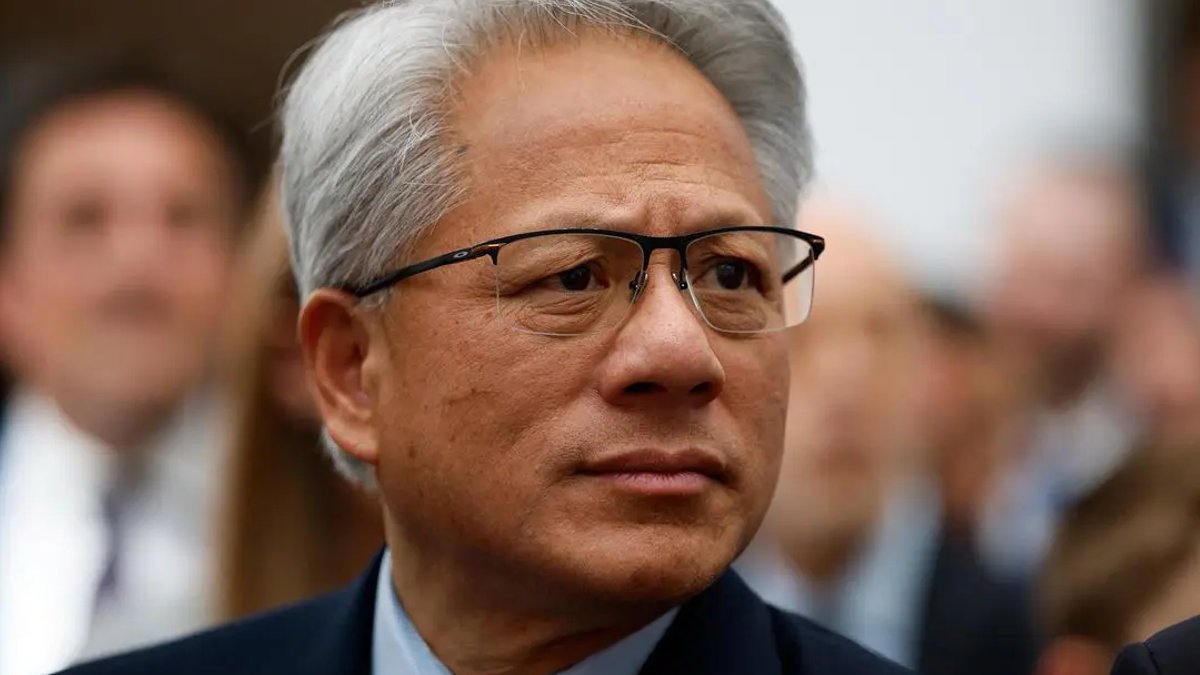
Nvidia is conducting an internal review into whether its CEO, Jensen Huang, was targeted by a foreign intelligence operation after he disclosed in a company-wide message that he had an extramarital affair. The board initiated an independent probe on Sunday, involving directors and external legal advisors, to assess claims that Huang was approached by a Chinese spy network through his connection to Alice Huang, a former executive at Megaspeed International. While the company stated it had found no proof of leaked confidential information, it pledged to examine all relevant details.
In his message to staff, Huang expressed profound remorse for the pain inflicted on his family. “I was unfaithful to my wife,” he said. “My actions hurt her and our children. There is no excuse for what I did.” The memo also addressed security concerns, with Huang vowing full assistance to the inquiry. “I love our country and our company, and I am committed to protecting Nvidia and supporting America’s national security,” he said.
The review follows prolonged speculation about Huang’s professional ties to Megaspeed, a Singapore-based firm accused of circumventing U.S. export controls by illegally shipping Nvidia chips to China. Huang had previously downplayed his interactions with Megaspeed employees, telling Bloomberg that his engagements mirrored standard business dealings with Chinese partners. U.S. authorities have closely monitored Nvidia’s connections to China, particularly after Beijing restricted imports of the company’s advanced chips under licensing rules first imposed during the Trump administration.
Board probe seeks no evidence of leaks—yet
The board framed the investigation as a precautionary step rather than an accusation. “While the board has no reason to believe that either national security or Nvidia secrets were compromised, the board’s inquiry will examine all available information,” the company explained. Huang will remain CEO during the probe, though the absence of a designated successor has raised concerns about leadership stability, especially as Nvidia’s AI-driven expansion has propelled it to become the world’s most valuable technology firm.
Read Also: Mahindra eyes big electric vehicle sales jump
Investors have heavily backed Nvidia, sending its valuation to a peak of nearly $5.8 trillion in October before concerns about AI spending sustainability dragged it below $5 trillion.
The scandal has also exposed weaknesses in Nvidia’s leadership structure. Huang’s hands-on management style has fueled rapid innovation, but it has created a dependency on his direct involvement in critical decisions. Without a formal succession plan, the company lacks an immediate replacement should his position become untenable.
Huang’s message concluded with a request for privacy for his family, acknowledging that his actions had strained relationships beyond the workplace. “I hope our family will heal and that, over time, I can earn back your trust,” he said.
Megaspeed’s export violations fuel broader spy concerns
Separately, Megaspeed International has faced its own regulatory scrutiny over suspected violations of U.S. export regulations. Allegations involving the firm—including potential chip smuggling—have drawn attention from authorities, though no charges have been filed against Huang or Nvidia. The investigation’s focus on foreign intelligence efforts suggests broader concerns about whether Nvidia’s global operations may have been exploited.
Read Also: India’s markets rise despite global tech selloff
The review will examine reports linking Huang’s relationship with Alice Huang to a suspected intelligence operation. U.S. authorities have identified her as a possible recruit for a Chinese spy network. Although no evidence of compromised data has surfaced, investigators will scrutinize Huang’s communications with her to determine if discussions involved Nvidia’s technology or operations.
Nvidia operates under a licensing program that limits its ability to sell advanced AI chips to China, a policy first introduced by the Trump administration and upheld by the Biden White House. Despite these restrictions, Beijing has imposed its own import limits on Nvidia’s high-performance products, straining the company’s revenue. The geopolitical pressures have forced Nvidia to balance compliance with maintaining access to China’s massive AI market, where demand for infrastructure remains robust.
China’s AI market and U.S. restrictions collide
Megaspeed International, the Singapore-based firm at the center of the investigation, has faced separate accusations of violating U.S. export laws by illegally shipping Nvidia chips to China. While no legal action has been taken against Huang or the company, regulatory scrutiny has intensified. The firm’s alleged evasion of export controls has drawn attention from U.S. authorities, who are assessing whether such activities could have exposed Nvidia to unintended risks.
In conclusion, Nvidia’s internal review into the alleged foreign intelligence operation targeting its CEO, Jensen Huang, is ongoing, and the company has pledged to examine all relevant details to ensure the protection of its national and economic security.

Mahindra eyes big electric vehicle sales jump


