


Oil markets face tighter supplies after Iran conflict drains reserves
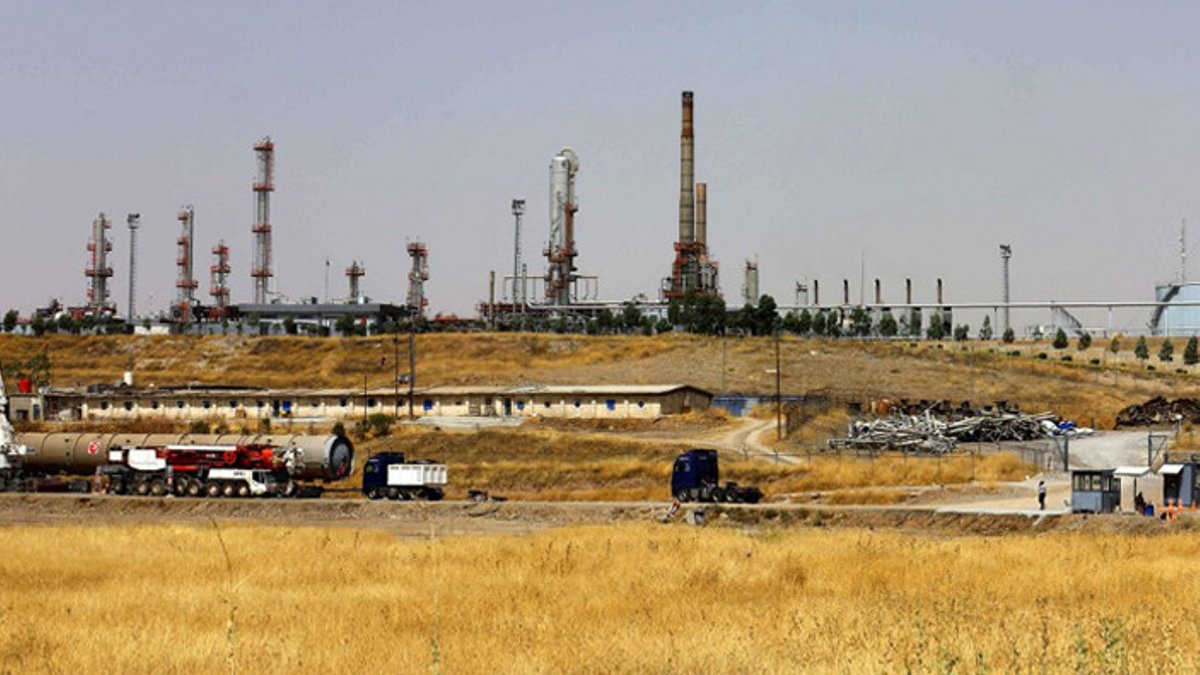
Global oil reserves have dwindled to critically low levels, making crude prices far more susceptible to shocks from the Iran conflict while establishing a higher price floor. Industry executives now emphasize how easily disruptions can destabilize markets, with even small-scale strikes on Middle East energy facilities capable of triggering steep price surges.
Just eight months earlier, the market was awash in excess crude as OPEC relaxed output restrictions and non-OPEC producers—especially those in the Americas—boosted production. The Iran war has since eliminated that surplus, depleting the stockpiles that typically cushion supply shocks. As a result, oil has remained near $100 per barrel for a full month, showing almost no downward movement despite the G7’s recent strategic release of 100 million barrels of crude and diesel. The minimal price reaction shows how severely reserves have been drained.
Chevron’s CEO, Mike Wirth, framed the current state at this week’s Energy Intelligence Forum in London as one where “the underlying fundamentals are becoming tighter and tighter.” Each new supply scare now lifts the price floor further, increasing the market’s vulnerability with every cycle. Meanwhile, Russell Hardy, head of Vitol Group, the world’s largest independent oil trader, highlighted the Middle East’s outsized role in global flows.
Over the past seven to ten days, roughly 14 million barrels per day of crude and refined products moved through the region, including about 2 million barrels of crude and 12 million barrels of products. Hardy warned that any disruption to these shipments could send prices soaring toward $200 per barrel.
Saudi Aramco’s CEO, Amin Nasser, revealed that global oil stocks entered the crisis at nearly 10 billion barrels but have since fallen by roughly 3 billion barrels, equivalent to half the volume that normally transits the Strait of Hormuz in the same timeframe. Of that loss, about 1 billion barrels came from drawing down global inventories, leaving less than 6 billion barrels of commercially usable stock today. Most remaining reserves are tied up by operational constraints or minimum storage rules, rendering them ineffective in an emergency. Nasser added, “Estimates suggest less than 6 billion barrels of commercial inventories remain today, with the vast majority not practically available.”
Analysts now point to a critical shift in risk management. Traders who once relied on surplus buffers to absorb shocks must now account for a market where even small disruptions trigger sharp price movements. The absence of spare capacity means that future conflicts or infrastructure failures could push prices higher, depending on the severity and duration of the disruption.
Market Sensitivity Heightened by Disrupted Trade and Shipping Costs
Despite numerous estimates that the Middle East’s crude oil supply is back to and even exceeding pre-war levels, the fundamentals show increasingly tighter markets because shipping, trade routes, and tanker costs are anything but normal. Crude oil is flowing in greater amounts, but fuel exports from the region remain severely constrained, putting further upward pressure on diesel and gasoline prices. Executives noted that while production volumes appear stable, the instability in logistics has created artificial scarcity, reducing the market’s ability to absorb disruptions. These disruptions now compound the risk of supply shocks, as delays or blockages in key transit areas can amplify price volatility without warning.
Industry leaders warned that the current system is more reactive than ever, with each escalation in the Iran conflict pushing the price floor higher and leaving fewer safeguards against spikes. The lack of excess capacity means that even routine interruptions, such as temporary closures of shipping lanes, could trigger rapid price adjustments. The combination of depleted inventories and unreliable trade infrastructure has made the market increasingly fragile, where small disruptions can have outsized effects on global supply chains.


