


Nvidia CEO resigns amid scandal and foreign ties probe
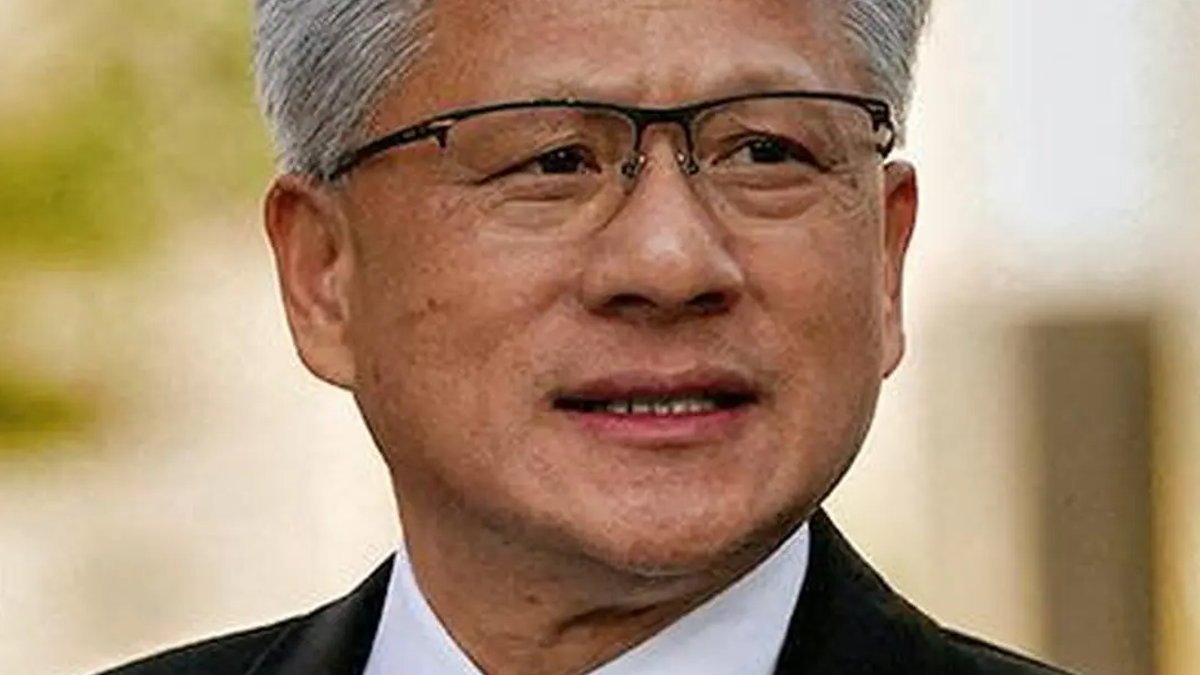
Jensen Huang, the co-founder and CEO of Nvidia, has resigned from his leadership role at the chipmaker amid a scandal involving extramarital affairs and allegations of foreign intelligence ties. The resignation, announced on Thursday, follows reports linking Huang to a businesswoman US intelligence agencies suspect of spying for China, as well as a separate relationship with an Nvidia executive who reported directly to him.
The fallout began over the weekend after The New York Times reported that Huang had a close relationship with Alice Huang, a former executive at Megaspeed International, a Singapore-based company accused of illegally shipping advanced Nvidia chips to China. US intelligence agencies determined she was feeding information to Beijing, though Beijing denies any wrongdoing. A second affair, with an Nvidia executive, was later revealed, intensifying pressure on Huang to step down.
In a statement, Huang apologized for his actions, writing that his behavior had hurt his family and colleagues. The company said it was investigating whether Huang had been targeted by foreign intelligence efforts, though it found no evidence of compromised secrets. The FBI is reportedly looking into the matter, but its status remains unclear.
Nvidia’s board named Colette Kress, the company’s CFO since 2013, as interim CEO. Kress, who previously worked at Cisco, Microsoft, and Texas Instruments, emphasized the company’s reliance on its people. Huang, who co-founded Nvidia in 1993, had led the company for 33 years with no clear successor in place.
The board also appointed Harvey C Jones as its first-ever chairman. Nvidia said it is considering both internal and external candidates for a permanent CEO. Meanwhile, lawmakers on Capitol Hill are calling for further scrutiny of Nvidia’s ties to Megaspeed, which has faced past accusations of violating US export controls.
Singaporean authorities questioned Alice Huang last year and confiscated her passport, though they found no criminal evidence. Malaysia has since launched its own investigation into whether chips linked to Megaspeed were re-exported to other countries. China’s Foreign Ministry dismissed the spying allegations as unsubstantiated, calling them part of a smear campaign.
Donald Trump, who has praised Huang as a key ally in pushing for looser AI regulations, defended him as an “honorable guy”. Critics, including House Democratic leader Hakeem Jeffries, accused Trump of prioritizing corporate interests over broader economic concerns.
Huang’s resignation marks a turning point for Nvidia, a company whose chips are central to the AI boom. The scandal has raised questions about security risks in the tech industry and whether stricter export controls could follow.
Nvidia’s board has not disclosed further details about the internal investigation into Huang’s affairs or potential foreign intelligence involvement, though the company reiterated in its Thursday announcement that it had found no evidence of compromised secrets. The probe remains ongoing, with the FBI reportedly examining the relationship between Huang and Alice Huang—though the scope of the investigation is unclear.


