


Canada’s helium-3 advantage reshapes trade leverage
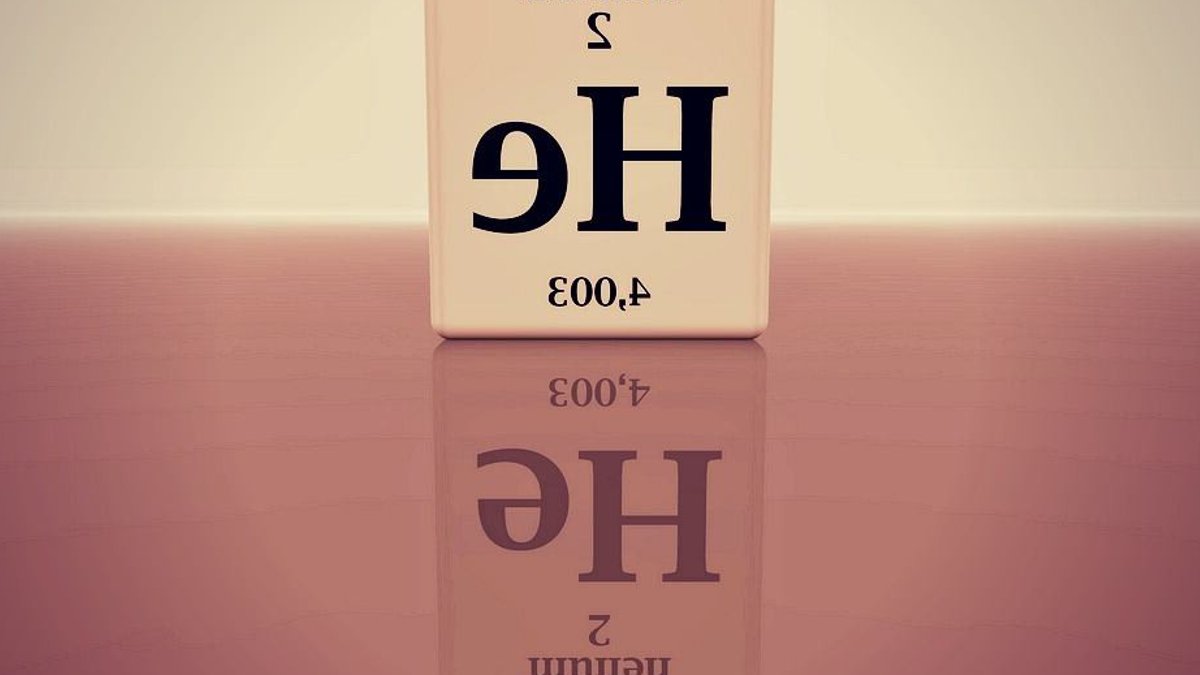
Canada’s ongoing trade disputes with the United States have unexpectedly highlighted a key advantage: its near-exclusive control over helium-3, a rare isotope vital for quantum computing, fusion energy research, and defense applications. The gas emerges as a byproduct of Canada’s CANDU nuclear reactors, positioning it as a potential strategic asset in future negotiations, according to industry analysts.
The trade conflict escalated in July 2018 when the U.S. imposed 50% tariffs on Canadian exports, including dairy products, alcoholic beverages, and cement, alleging unfair trade practices. Canada responded with equivalent tariffs on American steel, aluminum, and electronics. Despite the tensions, Canada remains the U.S.’s second-largest trading partner and its primary source of crude oil, supplying 60% of U.S. imports in that sector. Now, helium-3, difficult to obtain elsewhere, could alter the balance of power between the two nations.
Canada stands as the world’s top non-military producer of helium-3, generated during tritium removal from heavy water in its CANDU reactors. Unlike the U.S., Russia, or China, which rely on nuclear weapons programs to extract the isotope for defense purposes, Canada’s supply stems entirely from civilian nuclear operations. With 17 of the 26 active CANDU reactors worldwide, the country ensures a steady and scalable source of the gas.
The isotope’s unique properties make it indispensable for quantum computing, where it cools systems to near absolute zero (5 millikelvin) when combined with helium-4. Without helium-3, quantum processors cannot achieve the ultra-low temperatures required for stable functioning. Governments globally are rushing to secure supplies as Q-Day, the point at which quantum computers surpass classical encryption, draws nearer. Financial institutions, military organizations, and technology firms are already investing billions in post-quantum cryptography to mitigate risks.
The U.S. has taken aggressive steps to secure helium-3, including plans to mine it from the moon. The Department of Energy has also entered its first contract to purchase 3 liters of lunar helium-3, signaling a shift toward extraterrestrial resource acquisition. Estimates suggest the moon contains 1–3 million tons of the isotope, vastly exceeding Earth’s annual production of 15–20 kilograms.
On Earth, helium-3 is sourced either from tritium decay in nuclear weapons, a process complicated by tritium’s high cost, or from trace amounts found in natural gas. Canada’s reactors, however, produce helium-3 as a free byproduct of heavy-water processing, offering a cost-effective and abundant supply. The extraction efficiency of this method surpasses military-based production, which faces logistical and regulatory hurdles.
Demand for helium-3 is accelerating rapidly.


