


EU Shoppers Face New €2 Fee on Non-EU Parcels
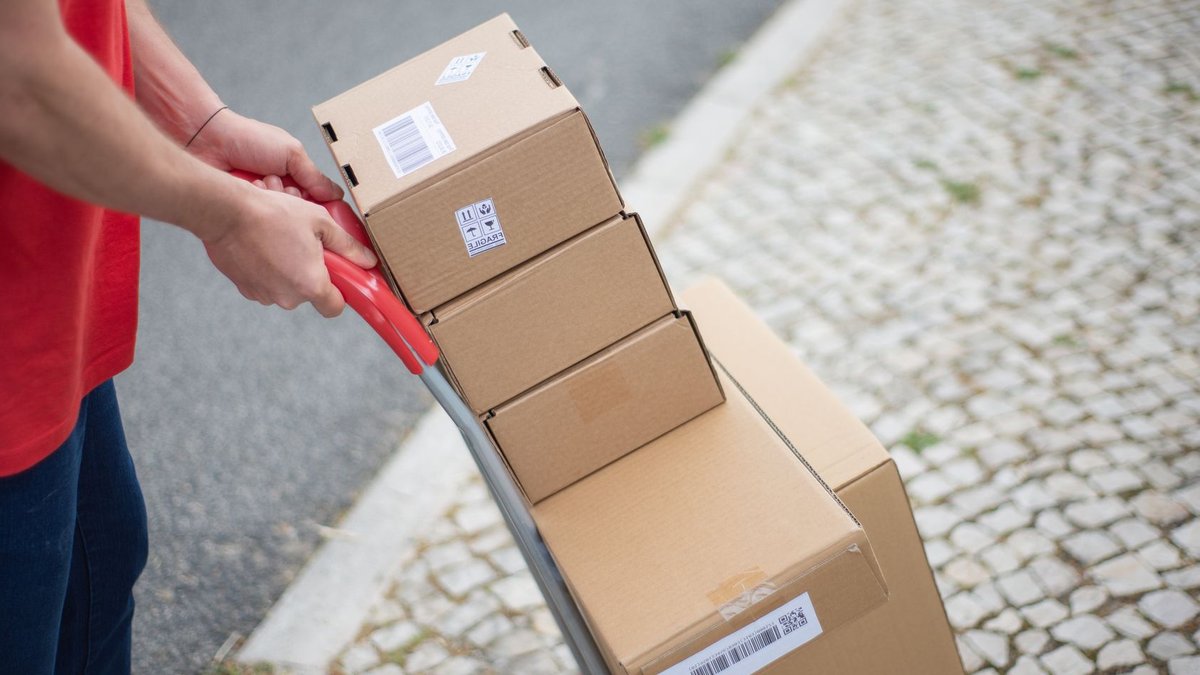
Shoppers in the EU will face a new €2 handling fee on parcels from outside the bloc, starting November 1. This measure aims to reduce the influx of packages, particularly from China. The fee adds to the existing €3 customs duty on small parcels, which was introduced in July. The new levy arrives just before the Black Friday sales, marking the start of the Christmas shopping season, and is part of the EU’s broader effort to manage the surge in imports.
How the Fee Works
The €2 fee applies to each distinct item type in a package, regardless of its value. For instance, a package with ten T-shirts incurs a €2 fee, while one with two hats and ten T-shirts totals €4. This fee is in addition to the €3 customs duty per item for packages under €150. For example, ordering ten T-shirts will result in a €3 customs duty plus the €2 handling fee, totaling €5, plus VAT on the combined amount. Similarly, anyone ordering two hats and ten T-shirts will pay €6 in customs duty and €4 in handling fees, plus VAT on the total.
Read Also: Irish jeweler Fíor wins €50,000 boost for growth
The EU claims consumers won’t pay this fee directly. Instead, online platforms like Amazon and AliExpress, as well as Chinese retailers such as Temu, will cover it, though they may raise prices to offset the cost.
Impact on Shopping and Customs
The EU processes nearly six billion small packages annually from non-EU countries, including the UK. This volume has overwhelmed customs, leading to the new fee. An Post alone handles over ten million such parcels yearly, all subject to inspection. Additionally, An Post charges an administration fee of €6.95 for parcels that do not have duty paid already, further complicating the process for consumers.
Since the €3 duty began in July, imports have dropped by 64%. However, officials caution it’s too early to draw conclusions. The EU also aims to block non-compliant products, such as toys lacking EU safety standards, which have raised concerns in Brussels.
Read Also: TikTok Generation Shows Signs of Influencer Fatigue
Consumer Concerns and Future Plans
Michael Kilcoyne of the Consumers’ Association of Ireland supports blocking substandard goods but questions the effectiveness of current checks. He stated, “I’d like to know what percentage of goods are being turned down because I don’t think there is much of a check being done.” He added, “It’s vitally important that it’s not just another money-collecting racket.” Kilcoyne also expressed skepticism, saying, “It’s to collect extra money, in my view. I haven’t seen any evidence that they’re doing checks, checking that it has the safety mark.”
The €2 handling fee is permanent, while the €3 duty expires on July 1, 2028. After that, standard customs tariffs will apply. The EU will review the handling fee’s amount every two years to ensure it remains effective in managing the flow of imports.


