


Women lead growth in bioeconomy sectors
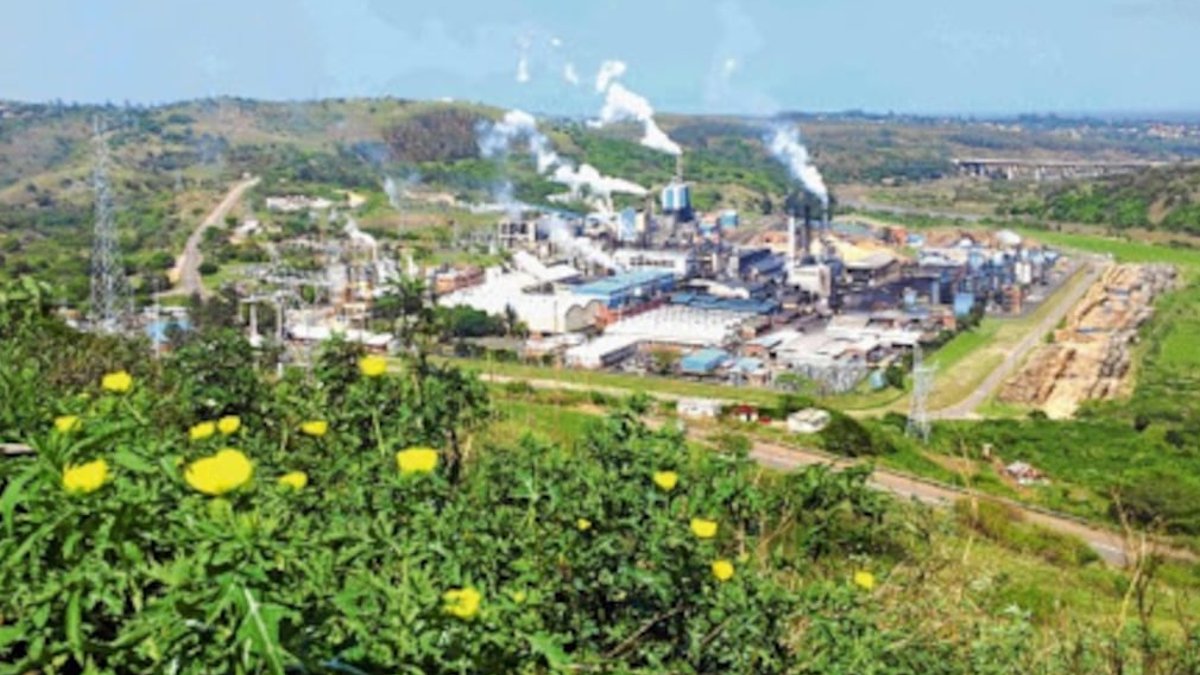
Tracy Wessels has spent over two decades bridging two worlds. One is the boardroom, where investors focus on balance sheets and environmental targets. The other is the factory floor, where woodfibre transforms into renewable packaging and sustainable textiles, starting with seedlings in rural South Africa.
As group head of sustainability and investor relations at Sappi, Wessels believes the country’s bioeconomy offers one of its most overlooked opportunities for women’s economic empowerment. Global demand for plant-based materials is rising, but the driving force isn’t laboratories or stock exchanges. It’s the land, where women create businesses linking rural communities to international markets.
From seedlings to global supply chains
The Khulisa programme, introduced by Sappi in 1995, turned potential into action. It now supports 4,434 growers and 1,033 contractors, nearly half of them women. Since its start, the initiative has delivered over 5.5 million tonnes of timber, worth R3.57 billion. The figures, Wessels explains, capture only part of the impact.
Related: Audi adds affordable S line to Q2 range
The businesses women establish transform families and communities. Khulisa provides technical training, subsidised seedlings, and long-term support, moving growers from dependency to self-sufficiency.
Dumisile Caroline Vumase joined in 2005 with just 4 hectares of planted forestry. Today, she manages over 105 hectares, expanding into macadamias while mentoring younger farmers. Her strategy—reinvesting, learning, and growing—reflects the mindset the programme encourages.
Diversification as a survival strategy
Baleti Estate in Mpumalanga, run by Pinky Mooko, demonstrates how sustainable farming creates jobs beyond timber. The operation combines forestry with avocados, macadamias, pecans, and honey production, hiring both permanent and seasonal workers. Through Sappi’s Enterprise & Supplier Development Programme (ESDP), the estate received 30 beehives and honey-processing equipment, adding a new income source and training employees.
The bioeconomy creates opportunities throughout the value chain, including transport, logistics, and processing.
Related: Vietnam distribution challenges for foreign firms in 2023
Women in the programme invest in education, support families, and become community leaders. Strong businesses, Wessels points out, build stronger households—and a more resilient economy.
The shift toward a low-carbon future continues. For it to succeed, opportunities must exist at every stage of the value chain—from research to farming, and from mills to corporate leadership. The system must match the progress women have already demonstrated.
The evidence appears in the data and in the women turning numbers into tangible change.

Audi adds affordable S line to Q2 range


