


NPA clarifies low prosecution rate from SIU cases
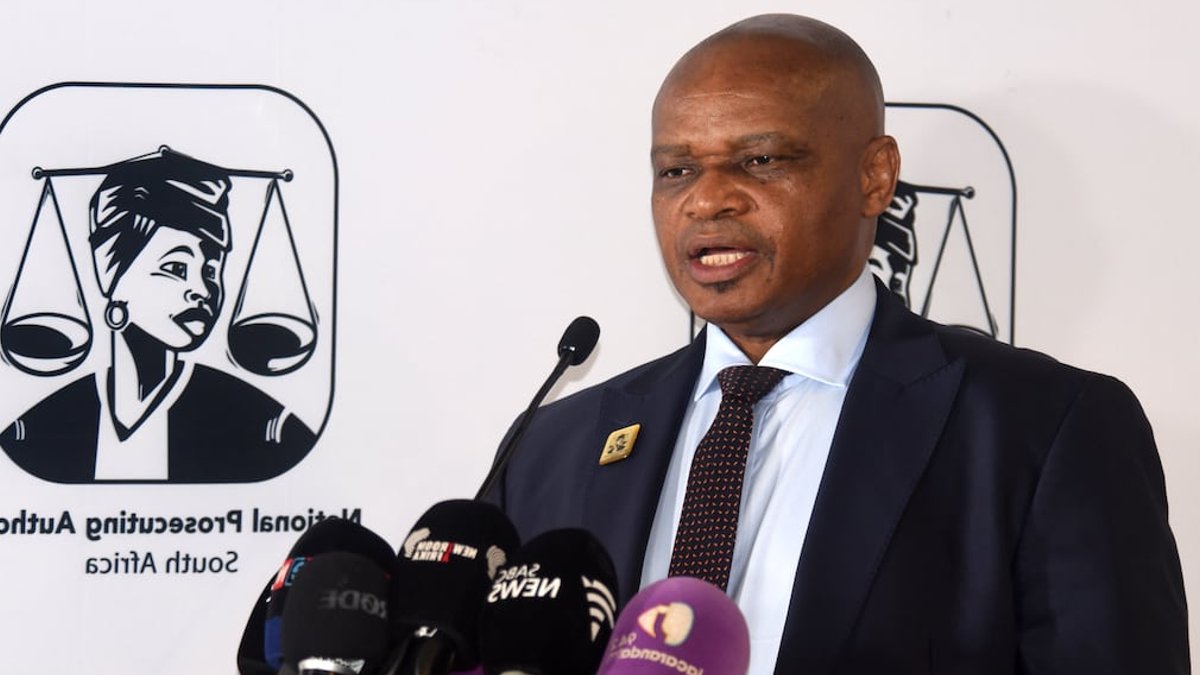
The National Prosecuting Authority explained why only a small portion of 5,944 criminal referrals from the Special Investigating Unit since 2011 resulted in prosecutions.
Nkebe Kanyane, who leads the NPA’s Specialised Commercial Crime Unit, told Parliament’s standing committee on public accounts that the figures don’t match because multiple referrals often merge into a single case. About 10% of those referrals became case dockets.
Referrals from the SIU increased sharply in recent years, reaching 901 in 2024 and 899 in 2025, compared to just 20 in 2011. Kanyane stated the process isn’t as simple as converting each referral into a prosecution.
After the president authorizes an SIU investigation, the unit collects evidence and sends potential criminal matters to the NPA. The authority then decides whether to return the case for more work, pass it to another agency like the Directorate for Priority Crime Investigation or the police, or handle it internally.
Related: Farmers cheer as tyre import duties scrapped
An SIU probe into the national Department of Public Works in the Western Cape demonstrated this complexity. Launched under proclamation 18 of 2020, the investigation produced 174 referrals. Those led to three case dockets—one completed, one still being examined, and one pending a decision. A single case at Cape Town Central police station resulted in a conviction for a juristic person on 55 counts, covering 20 original referrals. Three individuals had their cases withdrawn, including one who died.
“The statistics will never match,” Kanyane said. “Several referrals may involve the same people or actions and end up in one docket.”
Gauteng had the highest number of referrals—2,655 since 2011—yielding 206 registered dockets. Of those, 119 were with the DPCI, 40 were at the decision stage, and 12 were in court.
KwaZulu-Natal recorded 1,045 referrals, which produced 29 dockets. Ten were under investigation, 11 awaited decisions, and four were before judges. The Eastern Cape saw 871 referrals turn into 84 dockets, with 13 being investigated, 24 pending decisions, and 30 in court.
Related: RAF turns to private law firms
The gap between referrals and prosecutions highlights the difficulties in corruption cases. Investigations often begin years after the alleged offenses, making it difficult to find witnesses or documents. Electronic evidence requires analysis, and evidence from other countries involves slow legal assistance processes. Staff shortages also affect the NPA, as experienced investigators and prosecutors move to the private sector.
Corruption cases rarely proceed smoothly. The NPA may drop a case if evidence is weak, conviction prospects are low, or witnesses are unavailable. In the Eastern Cape, several matters resulted in nolle prosequi decisions, including 14 referrals relating to the provincia
The NPA emphasized that prosecution is only one part of accountability. The SIU has canceled contracts worth R38.1 billion through its work, while recovering R2.9 billion directly and another R8 billion through the Asset Forfeiture Unit.
In an Eskom case involving software company SAP, two contracts valued at R1.2 billion were terminated, and SAP repaid R570 million. The SIU made 13 criminal referrals in that matter. Another Eskom case, involving power engineering firm ABB, led to an agreement for R2.5 billion in reparations related to state capture-era corruption. That investigation continues.
Related: ANC focuses on local election groundwork
State capture remains a priority, with 132 SIU-referred cases connected to those probes. Ten are with the Investigating Directorate Against Corruption, six under investigation, and four in court.
Kanyane noted that agencies are improving coordination through regional case-management structures and a proposed committee to oversee investigations and prosecutions. The aim is to speed up complex corruption cases, though challenges persist.
The numbers show persistence, not flawless execution. The difference between referrals and prosecutions reflects how difficult it is to address corruption once it takes root.

Farmers cheer as tyre import duties scrapped


