


June power generation falls for 13th straight year
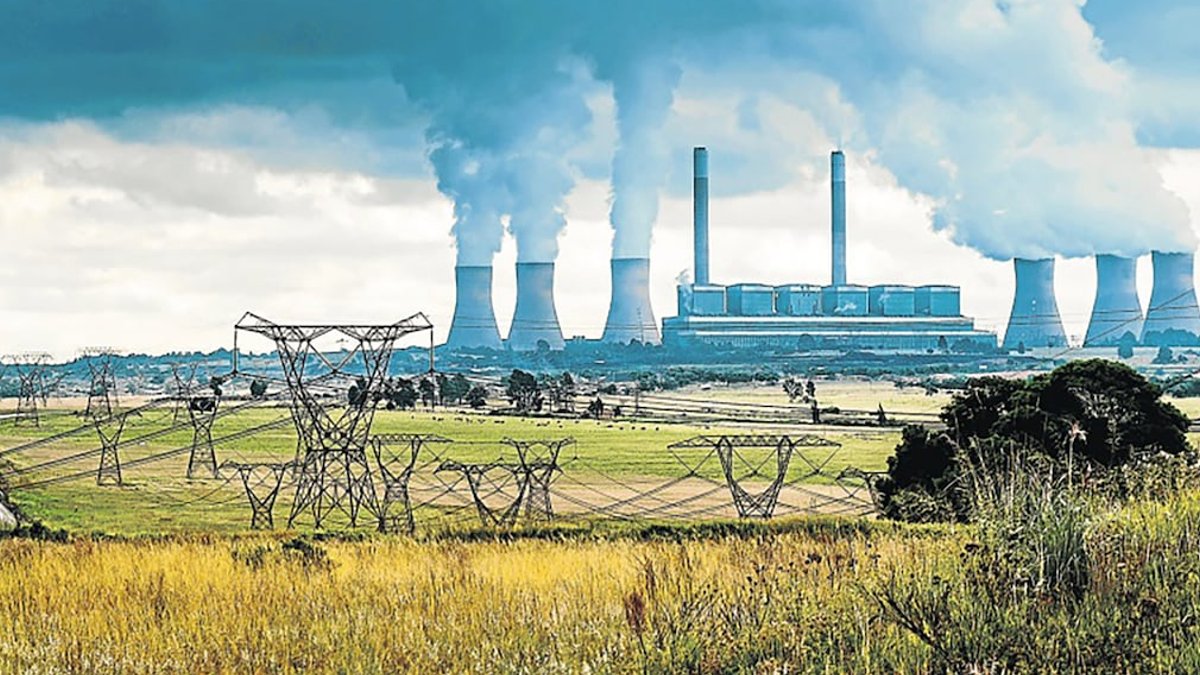
Electricity generation in South Africa fell 8.1% in June compared with the same month in 2025, representing the 13th consecutive year-on-year decline. Data released on Thursday showed the sector remains under pressure despite recent interventions to stabilize the grid. Seasonally adjusted electricity production also decreased by 0.7% between May and June.
This drop followed a month-on-month increase of 0.8% in May and a dip of 1.8% in April. Generation fell 2.5% in the second quarter of 2026 compared with the first quarter. The sustained decline points to structural issues within the energy system that are not easily resolved by short-term fixes.
Electricity inflows into the country jumped 31.7% year on year in June, while outflows slumped 62.3%. The volume of electricity delivered to provinces recorded a decline of 3.1% over the period. Eight provinces registered decreases, while the Eastern Cape was the outlier with an increase in deliveries.
Supply Sources and Regional Trade
Electricity generation has improved significantly with the addition of independent capacity to buoy supply from state utility Eskom. The utility has traditionally produced about 86% of the country’s needs and 20% of the electricity generated on the African continent. Independent power producers now contribute 10% to 15% of electricity to South Africa’s national grid.
Related: Mahanyele-Dabengwa urges women to lead boldly
This contribution follows the launch of the renewable energy independent power producer procurement programme in 2011. The country also imports electricity through the Southern African Power Pool. Most imports come from Mozambique, specifically from the Cahora Bassa hydroelectric power plant, and Zambia.
Depending on domestic supply conditions, South Africa also exports to neighbouring countries. These include Botswana, Namibia, Lesotho, Eswatini, and Zimbabwe. The massive swing in outflows suggests South Africa is hoarding power to meet internal demand rather than selling it to partners.
Rising Costs and Consumer Shift
Despite improved supply, electricity has become increasingly too expensive for many households and businesses in the country. The National Energy Regulator of South Africa (Nersa) approved an average tariff increase of 8.76% this year for Eskom. Nersa said the decision balanced the financial sustainability of the power utility with affordability for customers.
While the regulator attempts to keep Eskom solvent, the high cost of power is driving a fundamental shift in how energy is consumed. As prices rise, those with the means to do so are investing heavily in self-generation. This creates a feedback loop where the utility loses its best customers, forcing it to raise prices further on the remaining base to cover fixed costs.
Related: Toyota Profits Fall for Fifth Year
A recent study by BloombergNEF lists South Africa among Sub-Saharan countries where increasingly expensive grid electricity tariffs are encouraging greater investment in solar energy. The region is expected to install 29GW of solar, wind, battery storage, or other renewable capacity by 2030. This is up from 13GW in 2025. The report notes that clean energy demand in the region is important for global solar growth.
Infrastructure and Future Goals
In his weekly newsletter on Monday, President Cyril Ramaphosa said South Africa’s just energy transition is gaining momentum. He stated that rising clean energy investment is helping the country meet its climate commitments. He noted that the use of rooftop solar by households and businesses has surpassed expectations.
The number of households installing solar panels rose by 86% over the past three years to 675,000 in 2025. South Africa had 67GW of installed energy capacity in 2025. This was dominated by about 45GW of coal. The country’s 2025 integrated resource plan (IRP) sought to retire 8GW of coal capacity while adding 6GW of gas and 14GW of renewables before 2030.
However, due to delays with gas power procurement, old coal-fired plants could run for longer than originally planned. In April, the utility said its ability to generate electricity had improved significantly over the past two years.

Mahanyele-Dabengwa urges women to lead boldly


