


Brazil faces offshore vessel shortage as Petrobras expands
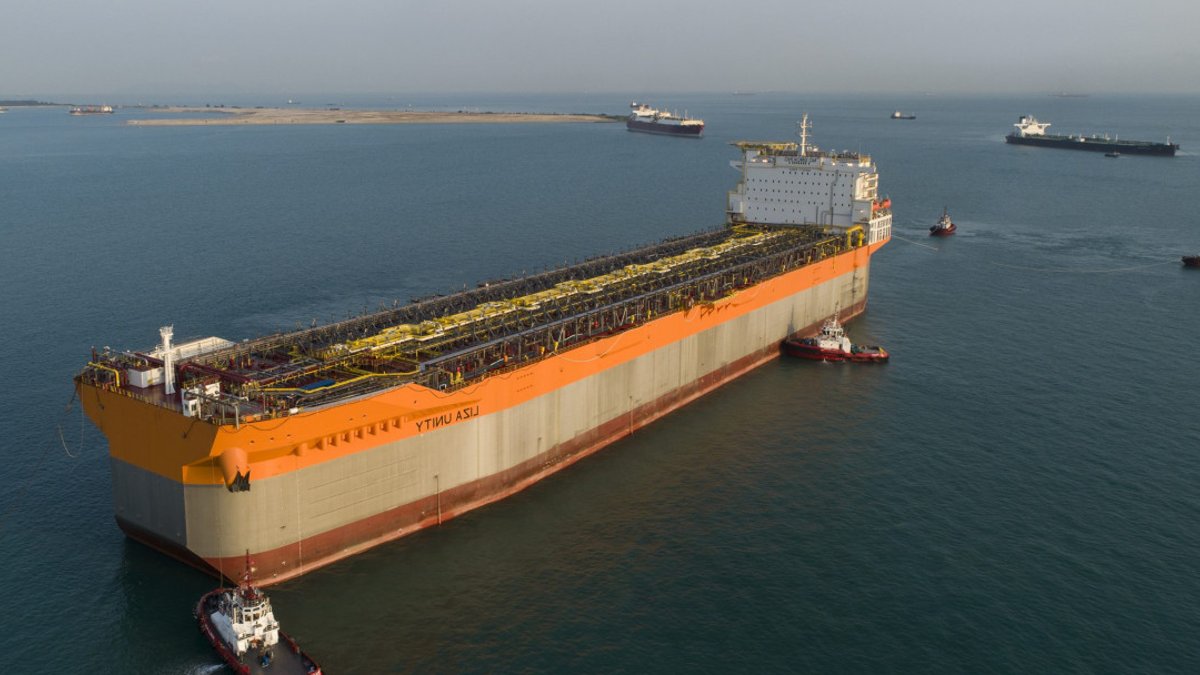
Brazil’s offshore industry is encountering a significant vessel shortage as expanding oil operations outpace available shipping capacity. The surge in production from Petrobras at deep-sea locations like the Buzios field has created a widening disparity between the required fleet size and what is currently available.
Analysts at Arctic Offshore, including senior market expert Martin Lysne, project Brazil will require nearly 40 additional vessels by 2030 to sustain its growing offshore activities. As Lysne said, “The question is not whether Brazil needs more vessels,” and added, “It is where they will come from.”
Expanding Brazil’s Offshore Support Fleet
Tidewater CEO Quintin Kneen anticipates day rates for high-end Platform Supply Vessels (PSVs) could climb to between US$55,000 and US$60,000 within the next five years. Brazil’s maritime regulations prioritize domestically flagged vessels for offshore support, allowing foreign ships only when no local alternatives exist. This policy has created opportunities for international operators as Brazil’s domestic fleet struggles to meet rising demand.
To address the shortage, Brazil’s energy regulator ANP has introduced financial incentives supporting the construction of 36 offshore support vessels (OSVs) and 13 tankers across Brazilian shipyards, according to ANP’s local content manager Gustavo Tinoco.
Strategic Investments in Offshore Operations
Instead of constructing new vessels, Tidewater has expanded its Brazilian fleet through acquisitions. In August, the Texas-based company finalized the purchase of Wilson Sons Ultratug for a total of $500 million, including $283.1 million in immediate cash payments and the assumption of approximately $229.3 million in existing debt. The transaction added 22 PSVs to its Brazilian operations, increasing the total fleet to 28 OSVs. Nineteen of these acquired vessels were built in Brazil and share standardized designs, facilitating crew training and maintenance procedures.
The move boosted Tidewater’s global fleet to 231 vessels, with 213 OSVs now in operation, while also securing an additional $441 million in long-term contract commitments.
Sustainable Innovations in Offshore Shipping
Brazil’s shipbuilding sector benefits from unique advantages in renewable energy. The country ranks as the world’s second-largest ethanol producer and third-largest biodiesel producer, per the International Renewable Energy Agency. In 2024, Petrobras launched the first renewable marine fuel in Brazil—a bunker blend containing 24% biodiesel—for vessels operating offshore.
Two years ago, Petrobras awarded $2.8 billion in contracts for 12 hybrid PSVs to upgrade its offshore logistics network and support exploration initiatives. The project includes a 40% local content requirement, injecting substantial investment into Brazil’s shipbuilding industry.
SEACOR Marine Holdings, another Texas-based operator, already deploys hybrid-powered PSVs in the region. Its diverse fleet includes platform supply vessels, fast supply ships, and hybrid PSVs. Through a partnership with UP Offshore, the company manages Brazilian-flagged offshore support vessels such as PSVs and ROV support vessels.
Outlook for Brazil’s Offshore Industry
Shipping assets have delivered exceptional returns this year, with the Breakwave Tanker Shipping ETF, which tracks crude tanker freight rates, posting a 5,265% gain over the past 12 months through October 19, making it the top-performing U.S. exchange-traded fund.
While offshore support vessel operators with Brazilian exposure have seen more modest but consistent growth, Tidewater’s shares have risen 67.7% over the past 52 weeks, giving the company a market valuation of approximately $4.0 billion. Similarly, SEACOR Marine has increased 48.8%, reaching a market cap of about $236 million. As demand for offshore support vessels continues to rise, Brazil’s market presents compelling opportunities for investors.


