


Armscor opens R400bn IP vault to partners
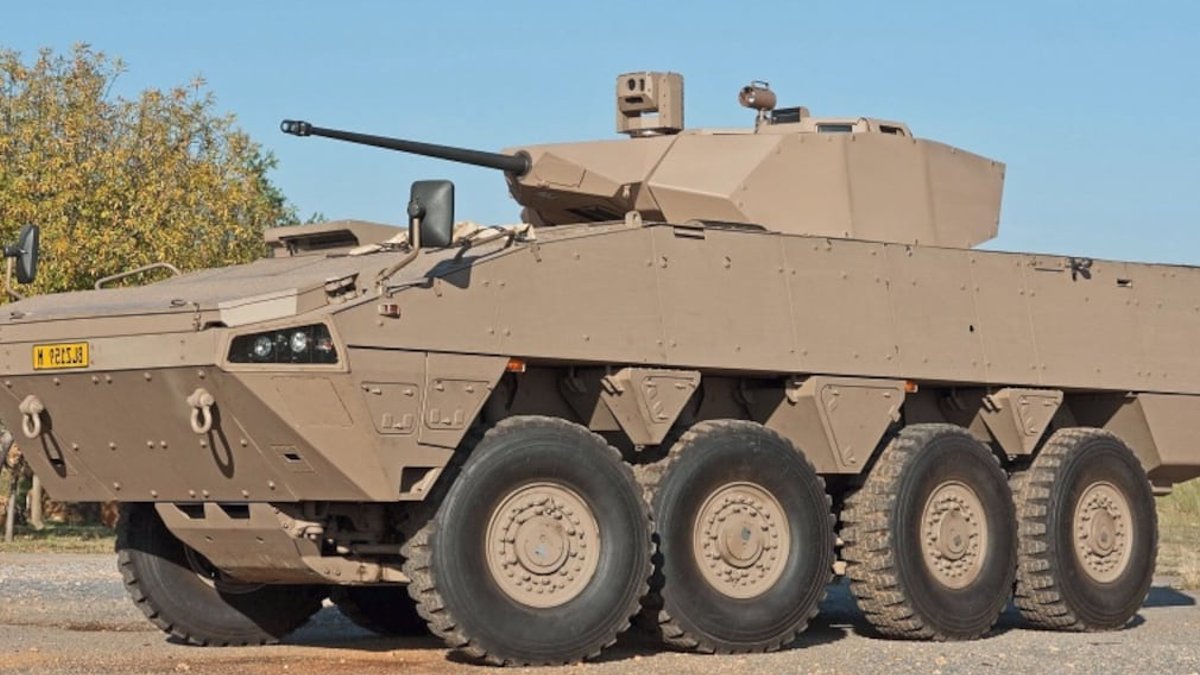
Armscor, South Africa’s state‑owned armaments corporation, has issued a request for proposals seeking consultants to review its intellectual property portfolio and related assets, a move that could open a R400 billion‑valued IP vault to private‑sector partners.
Consultants to map untapped assets
The tender invites firms to identify underused resources, benchmark opportunities against comparable defence procurement models, and draft a three‑year implementation plan. According to the request, the preferred bidder will pinpoint revenue streams that leverage the corporation’s facilities, technical expertise, and IP, while ensuring the organization’s defence obligations and national‑security duties remain intact.
Potential avenues include research and development licensing, cybersecurity services, specialised facility leasing, engineering support, and facilitation of defence exports. All reports, data, financial models and intellectual outputs produced under the assignment will belong to the agency, and consultants must supply editable models and assumptions for later reuse.
Background of the IP valuation
A 2016 study estimated the value of its intellectual property at more than R400 billion if fully industrialised. That amount highlights the scale of assets the agency hopes to commercialise as the country’s defence sector grapples with shrinking procurement and a loss of skilled jobs.
Related: SA China energy pitch now faces delivery test
Trade minister Parks Tau recently warned that three decades of declining procurement, collapsing research funding and an exodus of talent have left the industry at a crossroads. Deputy defence minister Bantu Holomisa added that innovative funding models and public‑private partnerships are essential, noting that the South African National Defence Force cannot rely solely on additional Treasury allocations to meet its modernisation needs.
Armscor’s own 2025 annual report highlighted its role in securing several substantial export opportunities, positioning the agency as a potential driver of growth while its traditional client base—primarily the department of defence, police and Border Management Authority—remains unchanged.
In practice, the move could mean that a private firm with expertise in advanced manufacturing might license specific patents and set up production lines in existing facilities. Such arrangements could generate new income streams and improve the financial resilience of the state‑owned entity without altering its core defence mission.
Parallel developments at Denel
Denel, the aerospace and military technology company spun off from the corporation in the early 1990s, is also courting private investment. Its Pretoria Metal Pressings (PMP) plant, Africa’s largest ammunition manufacturer, has issued an expression of interest for partners to modernise the brass foundry that supplies ammunition to the SANDF and police.
Related: RAF turns to private law firms
Denel’s push mirrors the strategy, aiming to upgrade technology and automate production to restore confidence in both domestic and export markets. The two organisations, while distinct, share a common challenge: revitalising facilities that have deteriorated after decades of reduced demand.
South Africa’s defence‑industry acquisition from local suppliers fell dramatically to R850 million in 2017, down from R26.2 billion in 1989/90. That gap highlights the urgency of finding new revenue channels.
If successful, the approach could provide a template for other public‑sector entities seeking to diversify income while preserving core mandates.
New partnerships are on the horizon.

SA China energy pitch now faces delivery test


