


Autonomous Systems Pose Big Spending Risk
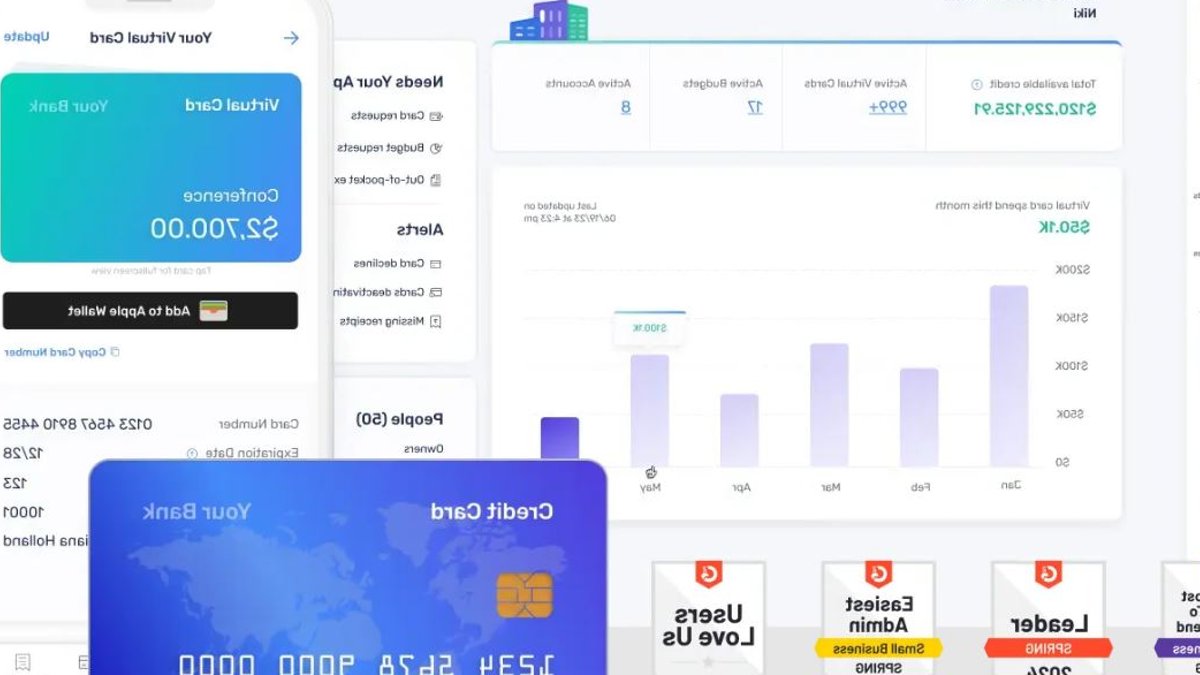
The integration of AI in business purchasing has sparked excitement, as it can automate tasks such as booking travel, buying supplies, and triggering payments. However, as AI systems get closer to the point of purchase, the focus shifts from efficiency to control. The central issue is whether the business can explain the spend after the fact, including who authorized it, what rules were in place, and what records exist for review.
They must consider the risks of unauthorized spend, which refers to spend that a system initiates due to broad agent authority, loose controls, or a thin audit trail.
This can create governance problems for finance and accounting, even if the payment goes through as designed. Enterprises typically have policies and approval paths in place for employee spend, but AI changes this by compressing decision-making into software.
Control Frameworks
For accountants and finance leaders, this is a concrete concern. Consider an AI assistant handling recurring operating purchases, such as renewing a software subscription. If the contract terms change or the amount crosses an approval threshold, the issue is whether the system was built to notice and flag the change. The company needs to define autonomous spend narrowly, with specific permissions, merchant restrictions, and spend thresholds enforced at the point of transaction.
Approval logic should reflect context, treating low-risk repeat purchases differently from new vendor payments or unusual exceptions. A clear record should show what the system was allowed to do and why. Auditability is not an extra layer to add later; it’s part of whether autonomous spend is workable.
Related: Outsourcing Call Answering Services: A Cost-Effective Solution for Small Businesses
Companies will make automated spend easier to govern, not just make payments disappear into the background. The next phase of payments infrastructure is about building better rules around delegated authority, and accounting and finance teams will push hardest on this as AI purchasing becomes more common, particularly when it comes to business funds.
Before implementing autonomous payments at scale, they will want answers to basic questions: What can this system buy? On whose behalf? Is there an upper limit on spend amount or velocity of transactions? With what approvals? And if something goes wrong, what justification can be produced?
These are the real adoption questions, and governance is the hardest part, not speed. The company must ensure that the system is designed to provide a clear audit trail and that the rules and permissions are well-defined.
It is essential to have a clear understanding of how the system works and what controls are in place to prevent unauthorized spend. The finance team must be able to trace a transaction back to a permission set, rule set, and chain of approval.
If a company can’t do this, then it has automation without accountability. The integration of AI in business purchasing requires careful consideration of these issues to ensure that the system is secure, reliable, and compliant with regulations.

Court Rules No Business Funds for Personal Expenses


