


Farmers cheer as tyre import duties scrapped
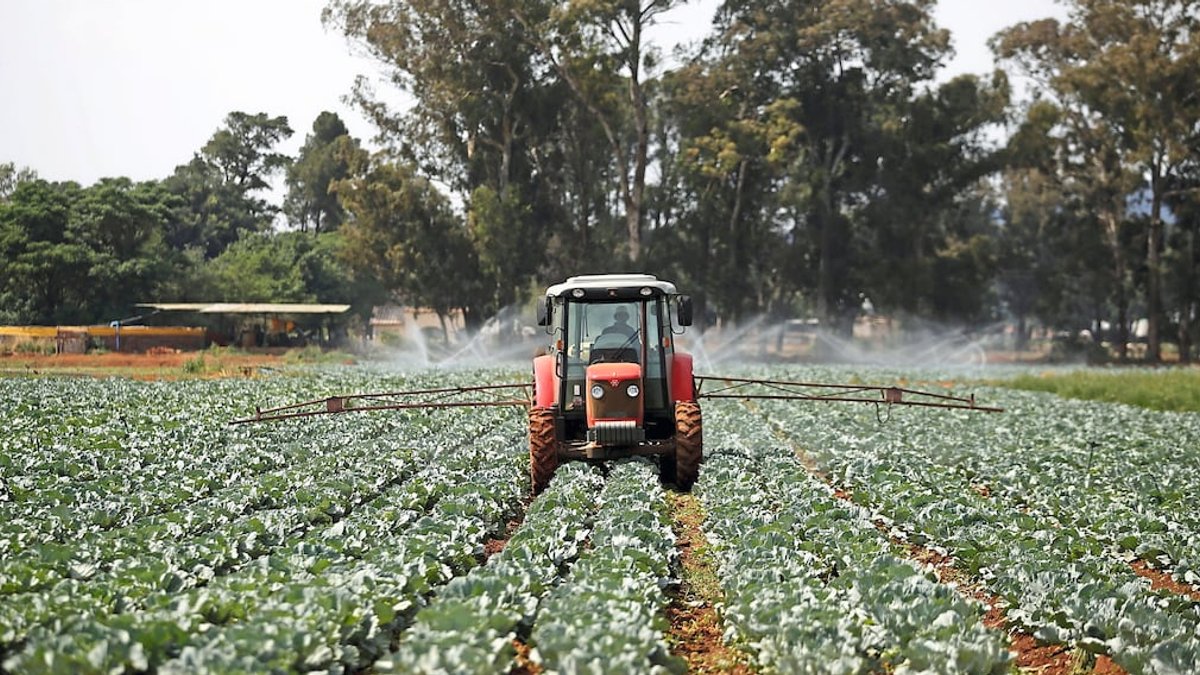
South African farmers will soon pay less for imported tractor and harvester tyres after the International Trade Administration Commission approved a temporary rebate on import duties for certain agricultural and forestry vehicle tyres.
No local production, higher costs
The commission announced on Monday that its investigation found no domestic manufacturers produce tyres with a rim size under 91 cm for agricultural and forestry machines. Ordinary customs duties raise costs for importers, which affects farmers and food consumers.
The rebate provision lets importers waive ordinary customs duties on these products. It does not apply to antidumping, safeguard, or countervailing duties.
The decision followed an application by Cape Town-based Tubestone, which imports passenger, medium-, and heavy-vehicle tyres. The company stated that since Bridgestone closed its Gqeberha plant six years ago, no Southern African manufacturer has supplied these specialised tyres. This forces importers to pay duties that increase food prices.
Related: Women lead growth in bioeconomy sectors
Permits and price controls
Importers must apply for a permit from the commission and agree to pass savings on to customers. They must submit a price undertaking, promising to lower prices, and will face regular audits to ensure compliance.
Applicants must demonstrate how the rebate will result in price reductions. Verifications will prevent the rebate from harming the broader tyre manufacturing sector.
Other importers, including Apollo Tyres Africa, Yokohama, Auto & Truck Tyre, and John Deere, will also benefit. Tubestone has branches in Durban, Gqeberha, Kempton Park, and Bloemfontein, as well as in Namibia and Zimbabwe.
Tractor sales dropped 31% year-on-year in July 2026, continuing a three-month decline. Higher input costs, driven by global conflicts, have added to pessimism in the sector.
Related: Malema’s suitability for JSC post questioned
Broader economic strain
Agriculture has been one of the few strong points in South Africa’s economy.
The South African Agricultural Machinery Association reported the three-month decline in tractor sales. It attributes the trend to rising costs and geopolitical instability.
The commission’s decision covers only off-road agricultural tyres. The move shows a recognition that trade policies must adjust to local production gaps, especially when those gaps increase costs for key industries.
The rebate is effective immediately, though importers must first obtain permits. The commission has not indicated how long the waiver will last, but similar temporary measures often continue until local production resumes or market conditions change.

Women lead growth in bioeconomy sectors


