


Toyota recalls 500 SA cars for display fault
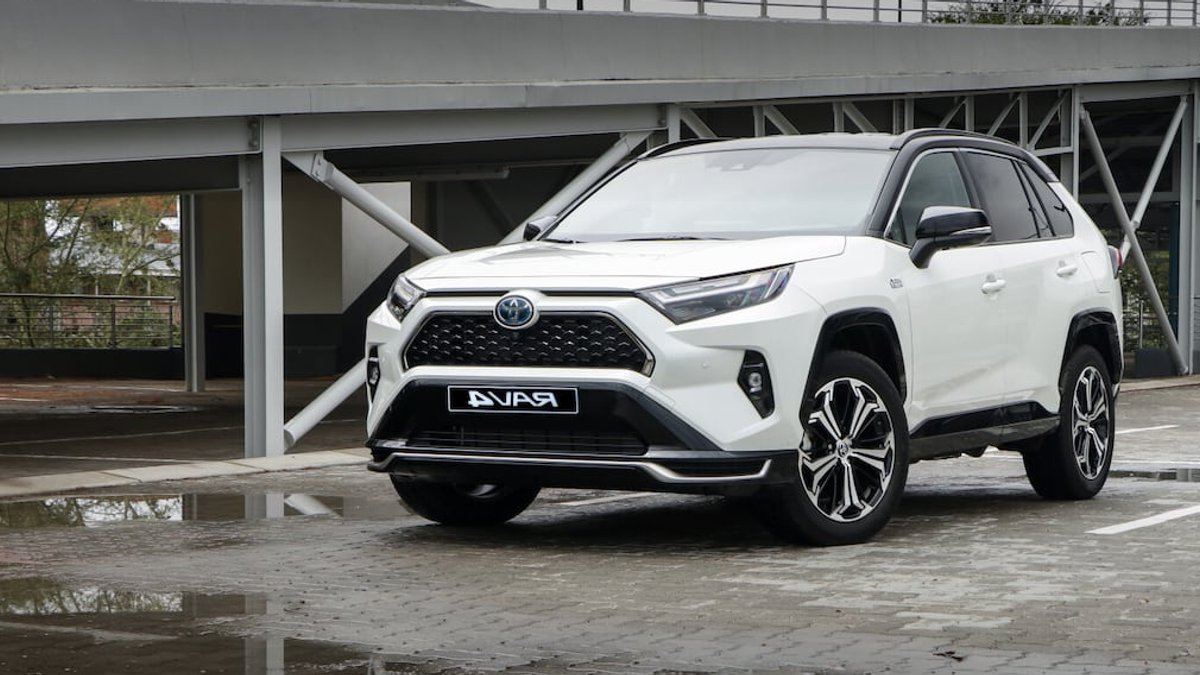
Toyota South Africa Motors announced a recall of 518 vehicles after a programming error in the instrument‑panel display could prevent critical information and warning lights from appearing.
Drivers should act quickly.
Models and production dates affected
The recall, triggered by the National Consumer Commission, covers several models sold through Toyota’s dealer network across the country. The affected lineup includes:
Related: June power generation falls for 13th straight year
- RAV4 PHEV: 16 units built from July 8 2024 onward
- Corolla Cross: four units built from July 2 2024 onward
- Corolla Hatchback: 391 units built from October 7 2022 onward
- Crown: 21 units built from October 17 2022 onward
- GR Corolla: 86 units built from February 16 2023 onward
All of these cars share a 12.3‑inch combination meter that consolidates speed, gauges, warning lights and messages on a single screen.
Technical cause of the fault
The NCC’s filing notes that the combination meter may have been incorrectly programmed, causing it to write unnecessary data to an internal memory device while the vehicle operates. Repeated writes can degrade the memory faster than expected, potentially leading to a failure of the display when the car is started.
If the screen does not activate, drivers lose visual access to alerts such as low‑fuel warnings, engine‑temperature indicators or other safety‑related messages. The vehicle’s central multimedia system may issue a notification, but the filing warns that drivers could miss it, leaving them unaware of an underlying malfunction.
Continuing to drive with an unseen fault could raise the likelihood of an accident, depending on the nature of the issue that triggered the alert.
Related: Vietnam eyes growth in blue economy investments
Owners are instructed to contact their nearest Toyota dealership for a free reprogramming of the combination meter assembly. The repair will be performed at no cost to the vehicle owners.
While the recall numbers may seem modest compared with global automotive recalls, the issue shows how software glitches can translate into tangible safety risks. In practice, a driver who relies on the instrument cluster for real‑time feedback may find themselves without essential cues, especially in situations that demand quick reaction—like sudden loss of traction or overheating.
For many South African motorists, the recall means a brief inconvenience: a scheduled service visit, a temporary loss of use, and a reassurance that the problem will be corrected. The broader implication is a reminder that modern cars depend heavily on electronic components, and manufacturers must maintain rigorous checks on firmware updates to avoid similar problems.

June power generation falls for 13th straight year


