


Vietnam distribution challenges for foreign firms in 2023
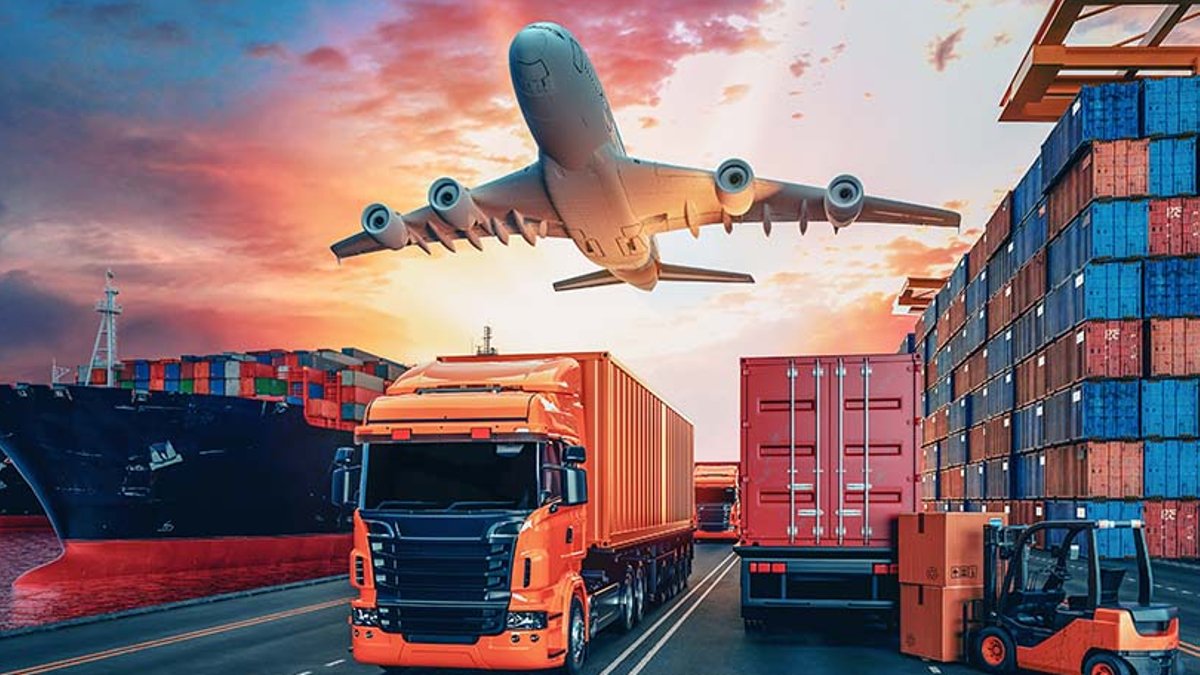
Foreign companies entering Vietnam often encounter obstacles like permits, logistics, and cultural differences that complicate market entry. A local distributor can simplify this process, providing a quicker and less risky path. Selecting the right partner requires more than an online search, however.
The country’s distribution network reflects its geography. A central spine of roads and rail lines extends to remote areas, while a 2,000-mile coastline supports ports handling global trade. Air freight also plays a significant role, with the Hanoi-Ho Chi Minh City route among the world’s busiest.
Retail growth has been rapid. In 2021, Vietnam had over 5,600 supermarkets—nearly three times the number from five years earlier—and more than 1,000 convenience stores under brands like 7-Eleven and FamilyMart. E-commerce has expanded even faster, with sales reaching $14 billion in 2022. Most online transactions occur on local platforms, though international names like Shopee and Lazada hold substantial market shares.
Cold storage capacity has increased due to recent investments. The expanded infrastructure now supports imports of perishable goods, benefiting food and pharmaceutical sectors.
Language and cultural differences create additional challenges. Vietnamese syntax and structure make direct translation difficult. Even when English is used, communication nuances—such as 14 distinct pronouns based on social hierarchy—can complicate negotiations. A local distributor avoids these issues by using established relationships to facilitate smoother interactions.
Distributors in Vietnam usually operate on an outright sale model. The foreign supplier sells goods to the distributor, who then takes responsibility for payment and sales risk. This arrangement shifts inventory risk to the local partner but reduces the supplier’s control over pricing and branding.
Related: First Global Pillar Two Filings Show Massive Compliance
Online searches for distributors carry risks. Many lack transparency, and remote vetting is unreliable. Most foreign firms instead use business matchmaking services, which connect companies with pre-screened partners. These services often specialize in sectors like cold chain logistics for dairy or pharmaceuticals and offer market insights to help newcomers adapt to regulations and consumer preferences.
Local chambers of commerce provide another useful resource. Organizations like the American Chamber of Commerce and the European Chamber of Commerce host events where foreign businesses meet potential distributors and learn from experienced peers. Social media and in-person networking can also generate leads, though face-to-face meetings tend to yield better results.
Companies that invest time in finding the right distributor gain more than just product distribution. A strong partner provides access to retailers, logistics providers, and government contacts that would otherwise take years to develop. The key is identifying a distributor whose goals align with the company’s long-term strategy.
Vietnam’s market continues to grow more competitive. Success depends on viewing distribution as a partnership rather than a transaction. The right collaboration can determine whether a company establishes a lasting presence or struggles to gain traction.
Tax compliance remains a critical consideration for foreign businesses. Recent rules under Decree 320 have introduced new requirements that may affect distribution agreements.

Capital Transfer Tax Rules Under Decree 320


