


Vietnam eyes growth in blue economy investments
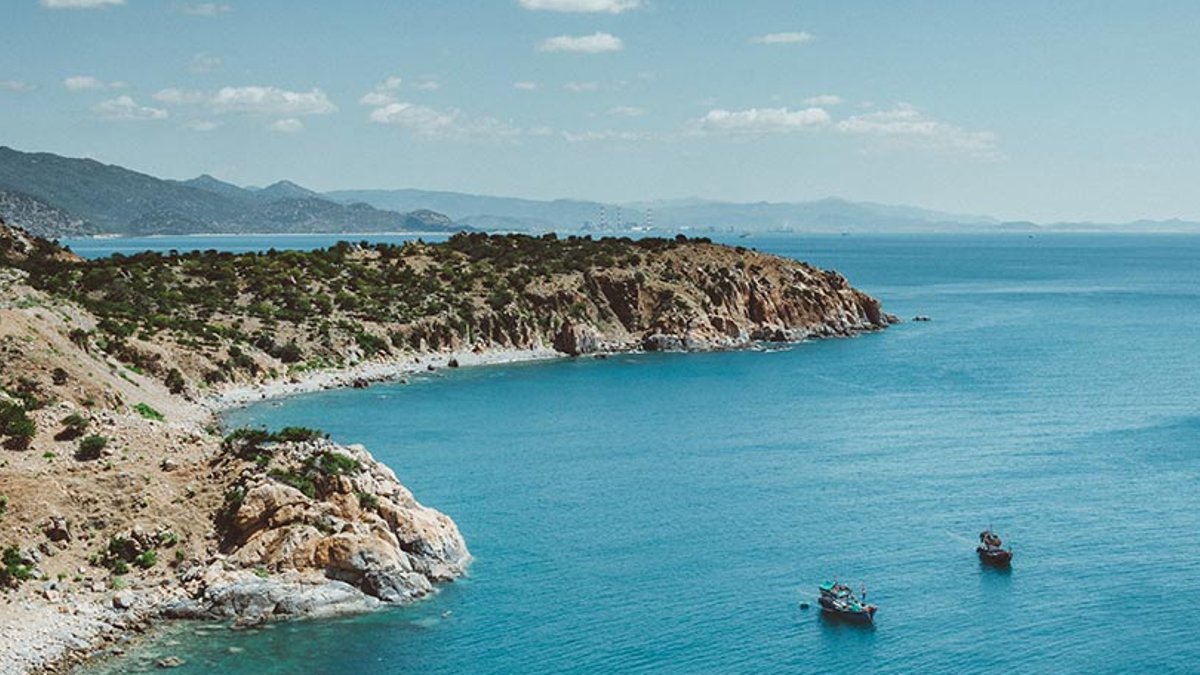
Vietnam’s blue economy, which includes economic activity tied to oceans and coastal areas, accounts for nearly half the country’s GDP. Policymakers aim to balance growth with ecosystem preservation as rising sea levels threaten millions of people and vast stretches of farmland.
A one-meter rise in sea levels could displace 11% of Vietnam’s population and flood 7% of its agricultural land. More severe projections suggest up to 46% of the population could face flooding, depending on the pace of climate change. These risks have made the blue economy a key part of Vietnam’s climate and development strategy.
The World Bank describes the blue economy as the sustainable use of ocean resources to drive growth, improve livelihoods, and protect marine ecosystems. For Vietnam, this means shifting from resource-heavy industries toward renewable energy, tourism, and maritime logistics while adapting infrastructure to withstand extreme weather.
This strategy aligns with the country’s Sustainable Development Goals for 2030 and its 2045 vision, where environmental sustainability plays a central role. The transition relies on developing six key industries: fisheries and aquaculture, oil and gas, marine renewable energy, coastal and marine tourism, maritime sectors, and environmental protection.
Related: Ethical bags to go with my eco friendly wedding (ethical engagement rings uk)
Other countries in the region have adopted similar models, but Vietnam’s long coastline and strategic location near major shipping routes provide a unique advantage. The challenge lies in execution—ensuring policies lead to real projects without repeating past mistakes of over-exploitation.
Vietnam’s coastline stretches over 3,260 kilometers, featuring 114 estuaries, 52 deep-sea gulfs, and more than 100 potential sites for large seaports. The country holds rich marine mineral deposits, including 35 types ranging from fuel to precious stones. Sand reserves in Quang Ninh province and Hai Phong city alone exceed 100 billion and 9 billion tonnes.
Fisheries remain a cornerstone of the economy. The country has an estimated annual fish stock of 5 million tonnes, with current catches reaching 2.3 million tonnes. The Ministry of Agriculture and Rural Development expects marine aquaculture output to hit 850,000 tonnes annually, with exports valued between $800 million and $1 billion. High-value species like shrimp, crab, and sea cucumber boost the sector’s potential.
Tourism also plays a major role. The coastline includes 12 world-class beaches, many in tropical zones with year-round sunshine. Provinces like Binh Thuan, Khanh Hoa, and Thua Thien-Hue are developing large-scale resort projects to capitalize on this growth.
Related: How to find the best ISA account for your needs
Vietnam’s coastal areas hold potential for marine renewable energy, including tidal, wave, and offshore wind power. The country is rich in marine resources, with diverse energy sources such as natural hydrate and heavy-water nuclear energy.
Infrastructure development is critical to this vision. The government’s master plan for seaport development (2021–2030) includes seven major projects funded by non-budget sources, requiring over $12.8 million in investment. High-profile projects like Lach Huyen, Tran De–Soc Trang, and Cai Mep Ha ports are already drawing domestic and foreign interest. The shipping industry itself offers additional opportunities, with tax incentives and streamlined policies for investors.
Challenges remain. Balancing economic growth with environmental protection will require strict enforcement of regulations. This has been difficult in a country where illegal fishing and coastal development have long strained ecosystems. The success of the blue economy depends as much on policy implementation as on Vietnam’s natural advantages.
Foreign firms face distribution challenges when entering the market, but the potential rewards make it an attractive destination for investment.

Vietnam distribution challenges for foreign firms in 2023


